


Skid Steer Trencher
Factory Strength
Wiki Industrial Equipment Manufacturing Co., Ltd. is an enterprise focusing on mining machinery manufacturing. The company produces various types of mobile stacking conveyors, grain conveyors, mobile screening equipment, various types of skid loader accessories, excavator accessories, which are used in mining machinery, garden machinery, etc.
Professional Team
The company has carried out a number of R&D projects for its products and technologies, and has formed a professional R&D team to engage in R&D activities
Market Distribution
Main customers are distributed in the United States, Canada, Australia, Mexico and other countries.
Our Intellectual Property
18 intellectual property rights have been applied for, of which 2 software copyrights have been obtained, and another 16 utility models are being processed, to protect the company's products and technologies in all aspects.
What is Skid Steer Trencher
A skid steer trencher is a powerful and versatile piece of equipment used for digging trenches in a variety of soil types and conditions. It is a type of excavator that is attached to a skid steer loader, allowing for greater flexibility and maneuverability on construction sites.In this article, we will explore the benefits of using a skid steer trencher for construction projects. We will discuss how a trencher can increase efficiency, versatility, precision, safety, and cost-effectiveness, providing numerous advantages over traditional methods of excavation.By the end of this article, you will have a better understanding of why a skid steer trencher is a valuable tool for any construction project.
-
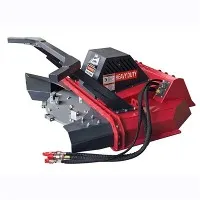
 Skid Steer Trencher AttachmentModel: HST48. Brand: Handy. High torque hydraulic motor for maximum digging power. Used to excavate drains, lay water pipes, cables and other relatively soft soil. Overall size: L94 x W45 x H 26.Add to Inquiry


Benefits of Skid Steer Trencher
One of the most important benefits of using a skid steer trencher for construction projects is the improvement in safety that it offers. Trenching can be a dangerous and physically demanding task, but using a trencher can help reduce the risk of injury to workers.Trenchers are designed to dig trenches quickly and efficiently, which can help reduce the amount of time workers need to spend in the trench. This can minimize the risk of injuries from overexertion, such as back strains or muscle sprains.In addition, using a trencher can help avoid potential hazards that may be present underground, such as gas lines, electrical conduits, or water mains. Trenchers can be equipped with specialized sensors or GPS systems that can help locate these utilities and avoid damaging them during excavation.
A skid steer trencher can significantly increase the efficiency of digging trenches on construction sites. This is due to several factors that make trenching with a skid steer trencher much faster and more efficient than traditional methods of excavation.First, trenchers are designed to dig trenches quickly and accurately, with minimal effort required from the operator. This means that workers can complete more work in less time, resulting in greater productivity on the job site.Second, trenchers are highly maneuverable, allowing them to work in tight spaces and around obstacles with ease. This eliminates the need for manual digging or the use of larger excavation equipment, which can be time-consuming and labor-intensive.
One of the key benefits of using a skid steer trencher on construction projects is its versatility. Trenchers can be used for a wide range of projects, from simple utility installations to complex foundation excavations.Trenchers can be used to dig trenches for underground utilities, such as water, gas, and electrical lines, as well as for drainage systems and irrigation lines. They can also be used for landscaping projects, including the installation of sprinkler systems or drainage ditches. In addition, trenchers can be used for foundation work, such as digging footings for building structures or retaining walls.Skid steer trenchers are also versatile in terms of the soil types and conditions they can work in. They are designed to handle a variety of soil types, including rocky, sandy, or clay soils. This allows them to work in a wide range of environments, from urban construction sites to rural agricultural areas.
Another benefit of using a skid steer trencher for construction projects is the precision it offers. Compared to other methods of excavation, such as manual digging or using a backhoe, trenchers can create more accurate and uniform trenches.Trenchers use specialized digging chains or augers to create precise trenches with consistent depths and widths. This precision can help ensure that utilities are installed at the correct depth and spacing, which is essential for safety and compliance with building codes.In addition, the precision of a skid steer trencher can result in less waste material, as the trencher only removes the soil necessary for the trench. This can reduce the amount of time and labor required for cleanup and disposal of excess material.
Types of Skid Steer Trencher
Chain Trencher
A chain trencher is the most common type of trencher used in construction. It uses a digging chain with steel teeth that cuts through soil and rock. Chain trenchers come in different sizes, from small handheld models to massive machines capable of digging trenches several feet wide and several feet deep. They are ideal for digging trenches in hard soil, rocky ground, and frozen ground.
Wheel Trencher
A wheel trencher is another popular type of trencher. It has a large wheel with cutting teeth that rotates and digs into the ground. This type of trencher is ideal for digging trenches in softer soils and for creating shallow trenches. Wheel trenchers come in different sizes, from small walk-behind models to large machines mounted on trucks.


Micro Trencher
A micro trencher is a compact trencher designed to create small trenches. It is ideal for installing fibre optic cables, small drainage systems, and irrigation lines. A micro trencher uses a saw blade that cuts through asphalt or concrete surfaces, creating a narrow trench. Micro trenchers are commonly used in urban areas where digging large trenches is not feasible.
Portable Trencher
A portable trencher is a handheld trencher that is ideal for small landscaping projects. It is designed for creating shallow trenches for planting or installing low-voltage cables. Portable trenchers are lightweight, easy to operate, and require minimal maintenance.
Application of Skid Steer Trencher
Cutting Pavement
If you need to cut through rock, concrete, or pavement, then a Skid Steer Trencher is probably going to be your best bet. Skid Steer Trencher(also called rockwheels) have a large, toothed metal wheel on the front that can cut at varying depths through both soft and hard soil as well as rock and concrete. Skid Steer Trencher also allow you to push excavated materials to the side using spacers and ejectors. These trenchers are ideal for roadway repairs and excavation.Similarly, micro trenchers, often referred to as “small rockwheels,” are most often used in urban settings to reduce traffic disturbances while creating mini trenches for laying fiber optic cables. Micro trenchers are fitted with a small cutting wheel designed to dig these small, narrow trenches.
Creating Drainage
If you need to dig a drainage trench to manage water or sewage runoff, then a Skid Steer Trencher can do the job quickly and easily. Skid Steer Trencher are usually portable and are best for cutting narrow trenches that run between 12 and 36 inches deep.Skid Steer Trencher allow you to remove smaller amounts of earth for running irrigation lines underground. The belt wraps around a metal frame, also called a boom, and you can easily adjust it to control the depth of the cut.
Digging for Electrical Wires
A Skid Steer Trencher allows you to dig a trench for installing your electrical cables or telecom wires. The trencher's conveyor belt removes the excavated materials, which means that you can spend less time working on the trench and more time tending to the installation of the wires.
Piping Work
Very much like using a trencher to create an underground pathway for your electrical or telecom wires, you can also use a Skid Steer Trencher to dig a space for water and sewage piping. The key is to dig deep enough to protect the pipes — and any humans or animals that may try to reach them.
Shoveling
Small walk-behind trenchers, or Skid Steer Trencher, are great for digging trenches that are just 3 to 4 feet deep. If you have a home improvement project that calls for some intense digging, such as an ambitious landscaping project, renting a walk-behind trencher will likely be money very well spent, since walk-behind trenchers are lighter and more compact than most other types of trenchers.
Snipping Roots
Dealing with thick tree roots can be just as much of a headache as trying to demo rock, concrete, and pavement. Portable trenchers have a blade on the end that allows them to function a lot like a rotary lawnmower blade, enabling you to slice through roots quickly and easily.If you encounter roots while working the soil, hold the trencher's chain blade in place while the blade spins. Slowly inch the blade forward and let the blade cut through the roots.
Components of Skid Steer Trencher
Digging Chain
The digging chain is a vital element of chain trenchers. It comprises interconnected digging teeth that penetrate the soil, efficiently removing material during trenching. The precision and strength of the digging chain play a crucial role in the overall performance of these machines, ensuring effective excavation in various soil conditions.
Trencher Boom
The trencher boom, a pivotal component, supports the digging chain and guides its movement with precision. This critical structural element plays a central role in determining the trench's depth and width, ensuring efficient and accurate excavation processes in various industries, from construction to utility installations.
Power Source
Trenchers, essential in excavation, derive power from diverse sources such as diesel engines, hydraulic systems, and, occasionally, electric motors. The chosen power source significantly impacts the machine's overall performance, dictating its efficiency and functionality in different applications, showcasing the versatility and adaptability of these crucial excavation tools.
Operator Controls
Modern trenchers, equipped with cutting-edge technology, boast intuitive operator controls that facilitate precise adjustments to trenching depth, speed, and other parameters. Operator Controls enhance efficiency, providing operators with unprecedented control over the machine, ensuring optimal performance in various excavation tasks.
Consider Your Project Needs
Before choosing a skid steer trencher, it's important to identify your project requirements. This will help you choose the right tool for the job and ensure that you complete your project on time and within budget.Some factors to consider when identifying your project requirements include:Trench depth and width: The depth and width of the trench will impact the type of trencher you need. If you need to dig a deep or wide trench, you may need a larger and more powerful trencher.Soil type: Different trenchers are designed to work with different soil types. Some trenchers work better in hard, compacted soils, while others are designed for softer, looser soils.
Choose the Right Size and Power
Once you've identified your project requirements and the type of trencher you need, it's important to choose the right size and power of trencher for your needs. Choosing a trencher that is too small or underpowered can lead to delays and additional costs, while choosing one that is too large or overpowered can waste money and resources.Factors to consider when choosing the right size and power of trencher include:Soil type: Different soil types require different levels of power to excavate. Hard, compacted soils will require a more powerful trencher than soft, loamy soils.
Evaluate Attachment Options
Choosing the right attachment for your skid steer trencher is an important consideration when selecting a trencher for your project. The right attachment can help you achieve more precise and efficient excavation, while the wrong attachment can lead to delays and additional costs.Here are some common attachment options for skid steer trenchers:Backhoe: A backhoe attachment allows you to excavate soil and move it away from the trench. It's a versatile attachment that can be used for a wide range of excavation projects, from digging trenches to removing debris.
Consider Your Budget and Timeline
When choosing the right skid steer trencher for your needs, it's important to balance your project requirements with your budget and timeline. While it's important to select a trencher that can meet your project needs, you also need to ensure that the cost and timeline are reasonable and realistic.Here are some factors to consider when evaluating the cost and timeline of your trenching project:Rental vs. purchase: If you only need a trencher for a short-term project, renting may be a more cost-effective option than purchasing a trencher outright.
How To Run a Skid Steer Trencher
Running a trencher is a fairly straight forward process. You should of course begin by familiarizing yourself with the manufacturers operating manual. Inspect your trencher before each use to ensure it doesn't not have broken teeth, leaking hydraulics, or any other issue that could cause a hazard. Be familiar with local regulations and ensure that you are not risking damaging underground infrastructure such as water and electrical lines.
Naturally the first thing to do is to connect the trencher to your skid steer. As with all universal skid steer attachments, be sure the pins are locked in place before operating the trencher. Once you have the trencher attachment secured to your skid steer, hook up the hydraulic lines. Skid steer trenchers will have two hydraulic lines, one with a male flat face coupler, and one with a female. Because skid steer trenchers are typically low flow attachments, there is no need for the third case drain line.
Lift the trencher two feet off the ground and engage your hydraulics to start moving the chain. You never want to start your trencher with resistance already on the chain. With the chain running, use your loader arms to tilt the trencher down on a 45 degree angle. This angle will be used to make the initial cut into the ground. Start your cut ahead of where you would like the trench to start. Lower the trencher into the ground until you have reached your desired depth. You will also want to see the crumber bar move all the way back.
Once you are at your desired depth, you'll want to tilt the auger to maintain the desired depth while positioning the auger at around ground level to clear the spoils away from the trench. It's also now time to start moving in reverse. If your skid steer is equipped with “creep” mode, it's best to have this turned on. This will allow the skid steer to move back slowly and smoothly while supplying the maximum amount of hydraulic flow to the trencher.
How to Maintain Skid Steer Trencher
Eye Test
Walk around your machine and look for noticeable loose bolts, cap screws, fittings and bearings and confirm all safety shields are in place.
Hoses
Inspect all hydraulic hoses to make sure they haven't been damaged or pinched by the skid steer frame. Since skid steer trenching attachments often dig at 60- to 90-degree angles, hose pinching is possible. Pinching may cause hose rupture, collapse or restriction, often resulting in leakage and/or overheating of the hydraulic system.
Chain Tension
Check the sag distance while in the horizontal position.
Leakage
Examine the idler wheel and headshaft area for excessive grease leakage to diagnose damaged seals.
Greasing
The headshaft should be greased after every 8 hours of use with high-quality SAE multi-purpose grease. Note: Some models have a sealed headshaft and don't require greasing.
Teeth
Inspect the digging chain to make sure all teeth are in place, in good condition, and the hardware around it is secure and tight on each link.
Skid Steer Trencher Safety Tips

Contact the utility companies
Before you start digging up the ground, you should contact the local utility companies to determine if the area is safe for digging and mark the utility line locations to avoid injuries or fines.

Select the right trencher
You should be careful when selecting the type of trencher to use for your project. For example, while rockwheels are designed to cut through rock, using other kinds of trenchers around rock-prone areas may damage the machine. The teeth found on some trenchers cannot cut through solid rock or areas with rock-like sediments. Torn teeth can cause shards of metal to become stuck and cause problems with the machinery.

Establish clear safety measures
In addition, to avoid injuries and heighten safety practices around the construction site, you should install access and exit points for workers entering and exiting trenches, establish safety signs, and have engineers install protective systems to prevent cave-ins. Also make sure you have the proper trenching and safety equipment before beginning your project.
Advancements in Skid Steer Trencher Technology
Gps integration
Modern skid steer trencher often incorporate gps technology to enhance precision and accuracy in trenching operations. Gps integration allows for precise mapping of the trench layout and depth, reducing errors and optimizing efficiency.
Telematics and remote monitoring
Telematics systems enable remote monitoring of trencher performance, allowing operators and fleet managers to track machine health, fuel consumption, and maintenance needs. This technology enhances overall fleet management and reduces downtime.
Tier 4 emission standards
Many skid steer trencher now adhere to stringent tier 4 emission standards, incorporating advanced engine technologies to minimize environmental impact. These standards focus on reducing pollutants and improving fuel efficiency.
Ergonomic design
Manufacturers prioritize ergonomic design in modern skid steer trencher, aiming to enhance operator comfort and reduce fatigue during prolonged use. Comfortable seating, intuitive controls, and sound insulation contribute to a more operator-friendly experience.
Our Factory
VICKEY Industrial Equipment Manufacturing Co., Ltd. is a manufacturing company specializing in mining machinery. The company produces various types of Skid Steer Mulchers, grain conveyors, portable screening plants, and all kinds of skid steer attachments & excavator attachments, applied to mining machinery, garden machinery, and so on. Our products are exported overseas, the main customers are located in the United States, Canada, Australia, Mexico, and other countries, and has received praise from customers!


FAQ
We're professional skid steer trencher manufacturers and suppliers in China, specialized in providing the best custom service. We warmly welcome you to buy skid steer trencher for sale here from our factory. For price consultation, contact us.
skid steer trencher, skid steer trencher attachment