


Skid Steer Mulcher
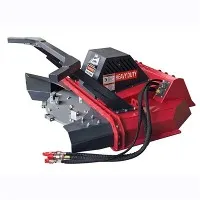
VICKEY skid steer mulcher is a small, maneuverable tractor with a bucket on the front that can be used for loading and moving material. Skid steers are common in the logging and farming industry and their popularity exploded when started offering their forestry mulching cutter-heads. The defining characteristic of a skid steer is that the bucket or other attachment is attached to the machine by two hydraulic booms. The booms allow the operator to move the attachment in any direction, even if the skid steer itself is not facing that direction. This gives the operator greater flexibility in moving material around a worksite.
-
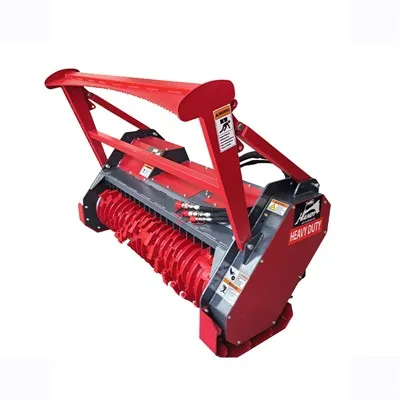 Skid Steer Drum MulcherModel: HBDM72. Brand: Handy. Effective cutting width: 72. Cutting drum diameter: 18. Number of alloy teeth: 41. Working speed: 1800-2400rpm. Equipped with a hydraulic pressure gauge.. Install theAdd to Inquiry
 -
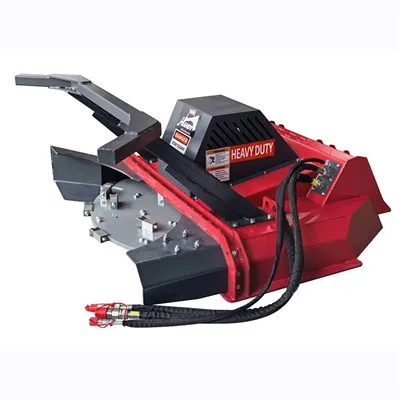 Skid Steer Disc MulcherModel: HSDM70S. Brand: Handy. 12 cutting capacity. 60 diamter cutter wheel. 44 cutting teeth (commonly used in the US). 4 extra spare cutting teeth. Powered by a high torque piston motor. OverallAdd to Inquiry
 -
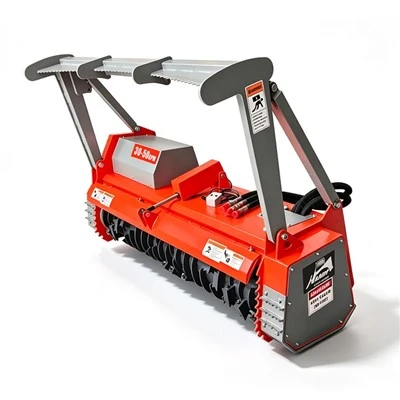 Drum Mulcher Skid SteerModel: HBDM72S. Brand: Handy. Effective Cutting Width: 72. Cutting drum diameter: 18. Number of alloy teeth: 41. Working speed: 1800-2400 RPM. Equipped with a hydraulic pressure gauge.. Install theAdd to Inquiry
 -
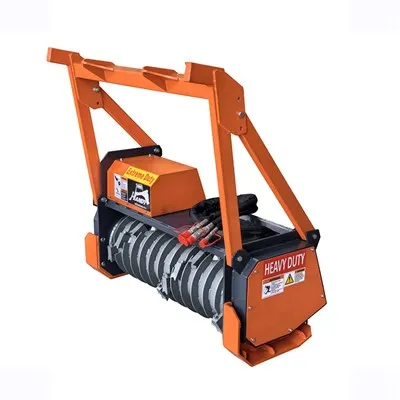 Skid Steer Drum Mulcher AttachmentModel: HBDM50. Brand: Handy. 50 effective cutting width. 18 cutting drum diameter. Number of alloy teeth: 25. Working flow: 16-35gpm. Working speed: 1800-2400rpm. Equipped with a hydraulic pressureAdd to Inquiry
 -
 Skid Steer Disk MulcherModel: HSDM70S. Brand: Handy. 12 cutting capacity. 60 diamter cutter wheel. 44 cutting teeth (commonly used in the US). 4 extra spare cutting teeth. Powered by a high torque piston motor. OverallAdd to Inquiry
 -
 Drum Mulcher for Skid SteerModel: HBDM72. Brand: Handy. Effective cutting width: 72. Cutting drum diameter: 18. Number of alloy teeth: 41. Working speed: 1800-2400rpm. Equipped with a hydraulic pressure gauge.. Install theAdd to Inquiry


Benefits of Skid Steer Mulcher
Efficiency
Skid steer mulchers can quickly clear large areas of dense vegetation, reducing the time and labor needed for land clearing projects.
01
Versatility
These machines can handle various tasks, from clearing underbrush to grinding down trees and stumps, making them suitable for forestry, agriculture, and construction.
02
Maneuverability
Skid steer loaders'compact size and agility allow operators to easily navigate tight spaces and uneven terrain.
03
Eco-Friendly
These machines help reduce waste and promote soil health by converting vegetation into mulch.
04
Cost-Effective
Investing in a skid steer mulcher can save money in the long run by reducing the need for manual labor and additional equipment.
05
Types of Skid Steer Mulcher

Skid Steer Drum Mulchers
Drum mulchers are characterized by their cylindrical shape and a rotating drum fitted with cutting teeth. They are highly effective in mulching dense vegetation and can grind material below ground level. Drum mulchers offer excellent cutting capabilities, allowing users to mulch material into fine wood chips. They come with different motor options, including variable-speed piston motors that adjust speed and torque based on the material being processed.

Skid Steer Disc Mulchers
Disc mulchers, on the other hand, use a flat, circular disc equipped with cutting teeth. Quick and powerful, they are effective attachments for locations where speed is the priority. These machines can rapidly pull and process trees, making them useful for large-scale land clearing projects.
Application of Skid Steer Mulcher
Farmland
A disc mulcher helps clear away overgrown vegetation in farmland areas. This is important for promoting healthy growth and preventing trees and plant life overcrowding.
Right of Ways
Mulchers can quickly clear away trees and vegetation from power lines, pipelines, and other Rights of Way. This helps ensure safe access for workers in these areas.
Land Clearing
This is the most popular forestry mulcher application. Forestry mulchers are excellent for clearing large areas of land, including forests. Land clearing helps to make room for construction projects or recreational activities.
Forest Fire Prevention
A forestry mulcher can help clear away vegetation in fire-prone areas, thus reducing the chances of a forest fire. This is a critical application, as they can help prevent large-scale destruction.
Vegetation Control
This forestry mulcher application is great for reducing the spread of certain plants or trees that could be damaging to an area. For example, they can help control the spread of invasive species like buckthorn or boxelder.
Site Preparation
A disc mulcher is a perfect tool if you need to prepare a site for construction or forestry operations. It can quickly and efficiently clear vegetation from an area to make way for new projects.
Lot Clearing
This application allows lots to be cleared of trees, stumps, and other pesky debris. With a forestry mulcher, you can quickly and efficiently clear away vegetation from lots to make room for new construction projects or landscaping efforts. However, you must ensure the area is clear of civilians to avoid the danger of flying debris.
Clearing Trails and Road Overgrowth
A forestry mulcher for skid steer can help clear away overgrown vegetation from trails and roads. This helps to ensure safe passage for vehicles, cyclists, hikers, and other travelers.
Skid Steer Mulcher vs Compact Track Loader
Key Mechanical Differences
Skid steers are compact, heavy-duty machines designed for versatility in various job sites. Their unique steering system allows them to turn by skidding or dragging their wheels. In contrast, track loaders with a continuous track system offer a different range of motion and performance.
Terrain Suitability
Compact track loaders excel in rough terrains. Their design ensures they distribute weight evenly, reducing the impact on the ground. This makes them ideal for Australia's diverse landscapes. Skid steers are built tough for even ground. They offer increased productivity and ease of operation on flat surfaces.
Turning Circles and Manoeuvrability
Skid steers boast a tighter turning circle, allowing them to operate efficiently in confined spaces. While less agile, track loaders offer stability, especially on uneven ground.
Protecting the Ground
Track loaders leave a softer footprint, preserving the soil and ground-level vegetation. This is crucial for brush management applications where the ground's integrity is paramount. Skid steers, while efficient, can be more aggressive on the terrain.
How to Choose Skid Steer Mulcher
The first factor to consider is whether the mulcher is compatible with your skid steer loader. Ensure that your machine has the necessary hydraulic flow rate and power to operate the mulcher efficiently. Matching the mulcher's requirements with your skid steer's capabilities is critical to avoid operational inefficiencies and potential damage to the equipment.
Consider the type of material you will be mulching and the terrain you will be working on. Drum mulchers are better for fine mulching in various environments making them ideal for a wide array of jobs. Disc mulchers are effective for larger material. The terrain will also impact your choice. For example, uneven ground may require specific mulcher features to handle the conditions safely.
Evaluate the mulching capacity of different models. Disc mulchers typically have high cutting capacities, ideal for extensive land clearing tasks. Drum mulchers, on the other hand, provide more versatility and safety while producing a finer mulch finish. Efficiency is also a key factor: a mulcher that can process material quickly and effectively will save time and operational costs.
Durability and ease of maintenance are crucial for long-term performance. Look for mulchers with robust construction and high-quality materials that can withstand tough working conditions. Regular maintenance, such as keeping cutting teeth sharp and ensuring proper lubrication, will extend the life of the mulcher and maintain its performance.
How to Maintain Skid Steer Mulcher
Case Drain Coupler
Over-pressurization of the motor case can be caused by a kinked or pinched hose, improper connection, obstruction or a damaged coupler on the case drain line. It is important to make any necessary adjustments and/or reroute hoses before operating your mulcher attachment. Be sure to route hoses in a way that prevents pinching and chafing.
Hydraulic Oil Levels
If your skid steer's hydraulic oil levels get too low, it could cause excessive oil temperatures. If the temperature rises too high, the mulcher must be removed from the brush/debris and the skid steer returned to idle until it has cooled down sufficiently to continue operation. Refer to your skid steer owner's manual to determine the proper hydraulic oil levels for your machine.
Hardware
Check all hardware for tightness. Loose, missing or damaged bolts and nuts can cause oil leakage. Consult your mulcher attachment operator's manual for proper bolt torque specifications for your model.
Hydraulic System
Improper maintenance or damage of your skid steer's hydraulic system can cause severe problems. If the hydraulic motor is damaged or its seals broken, it could cause the rotor to turn sluggishly or not at all.
Teeth
Worn, broken or missing teeth can cause excessive machine vibration and reduce productivity. Check to make sure that the mounting surface and bolt holes are clean and free of debris before replacing teeth. Double-sided, reversible teeth can be rotated when worn or if carbide points are broken or missing.
Rotor
Rocks and debris caught in the rotor and teeth can cause the rotor to stop turning and stall the mulcher attachment or cause it to vibrate excessively during operation. When a jam occurs, first shut off the hydraulics. Move the mulcher to a clear area, set the mulcher down and drive in reverse to force the drum to rotate without hydraulics, thereby discharging the jam.
FAQ
We're professional skid steer mulcher manufacturers and suppliers in China, specialized in providing the best custom service. We warmly welcome you to buy skid steer mulcher for sale here from our factory. For price consultation, contact us.
skid steer disk mulcher, skid steer drum mulcher, skid steer mulcher