


Skid Steer Forks
Factory Strength
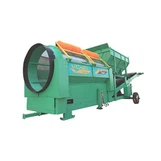
Wiki Industrial Equipment Manufacturing Co., Ltd. is an enterprise focusing on mining machinery manufacturing. The company produces various types of mobile stacking conveyors, grain conveyors, mobile screening equipment, various types of skid loader accessories, excavator accessories, which are used in mining machinery, garden machinery, etc.
Professional Team
The company has carried out a number of R&D projects for its products and technologies, and has formed a professional R&D team to engage in R&D activities
Market Distribution
Main customers are distributed in the United States, Canada, Australia, Mexico and other countries.
Our Intellectual Property
18 intellectual property rights have been applied for, of which 2 software copyrights have been obtained, and another 16 utility models are being processed, to protect the company's products and technologies in all aspects.
What is Skid Steer Forks
Skid steer forks are a widely used attachment, especially on construction sites and farms. They can help quicken the work, which would otherwise be time-consuming. However, it helps to know which fork is compatible with your machine and how to use it to get the most out of your equipment. Here's a complete guide to skid steer forks so you know how to choose the right one and capitalize on the investment.
-
 Skid Steer Rotating ForksModel: HSRF48. Brand: Handy. 48 forks. 115° rotation makes it easy to dump something. 1.5 tons maximum lifting weight. Overall size: L65 x W 60 x H39. Requires only 10~16GPM hydraulic flow. PackageAdd to Inquiry
 -
 Skid Steer Hydraulic ForksThe Handy HF2T skid steer hydraulic forks are designed to fit any skid steer, with durable construction and high-quality materials that ensure longevity and reliability. With a maximum capacity of 2Add to Inquiry


Benefits of Skid Steer Forks
Versatility
As pallet forks are versatile, you can use them for several tasks. They are made to carry heavy loads. This includes lifting pallets of bricks, materials for housing or roofing projects, handling tubes or pipes, loading freight boxes, managing heavy bags of seeds and fertilizers, and more.
Options
Pallet forks are available in a range of capacities, including light, medium or heavy-duty, and custom designs to meet the varied needs of the owners. From earthmoving to fence installations, they are valuable pieces of equipment. Once you determine the required load and lift capacity, you can pair your skid steer with the correct set of forks.


Clear Field of Vision
Skid steers with pallet forks are better than a conventional forklift truck when working outdoors because they are suitable for many terrains. They offer an excellent field of vision to both the attachment and the environment. This makes working with pallet forks convenient and precise.
Affordability
A pallet fork is a relatively inexpensive solution to manage labour constraints and save time. In addition to skid steers, you can attach them to several machines, including loaders, telehandlers, and more. They are a practical addition for working on mine sites, construction job sites, and agricultural use.
Types of Skid Steer Forks
Standard Pallet Forks
These are the most common type, designed for general material handling. They can easily move pallets, lumber, and other bulk items. The forks are adjustable, allowing for flexibility in handling different sizes of loads.
01
Heavy-Duty Pallet Forks
Built for more demanding tasks, heavy-duty forks are made from reinforced steel to handle larger, heavier loads. They are ideal for construction sites where materials like concrete blocks or heavy steel beams need to be transported.
02
Extended Pallet Forks
These forks come with longer tines, making them suitable for handling larger and longer materials that standard forks cannot manage. They are perfect for applications requiring extended reach.
03
Hydraulic Pallet Forks
These forks allow for hydraulic adjustment of the tines, providing greater control and ease of operation. They are especially useful in situations where the operator needs to frequently adjust the fork width without leaving the cab.
04
Side Shift Pallet Forks
This type allows the forks to shift side-to-side hydraulically. This feature enhances precision when positioning loads, especially in tight spaces or when stacking materials.
05
Application of Skid Steer Forks
Moving Other Large Equipment
Skid steer pallet forks, especially trusted brands like HLA attachments, excel in strategically moving large equipment on worksites. These attachments help enhance the efficiency of compact equipment and provide a reliable solution for relocating heavy machinery. Their durable construction and precision make rearranging equipment seamless, optimizing your workspace and facilitating a more streamlined and organized operation.
Unwieldy Package, Bag, Box, Management
Skid steer forks are invaluable in efficiently managing large, unwieldy packages, bags, and boxes. The precision control they provide ensures effortless lifting and positioning of bulky items, eliminating the challenges of manual handling. Thus, pallet forks are indispensable when rearranging heavy machinery on your worksite. Whether dealing with oversized deliveries or streamlining warehouse operations, these attachments for skid steer enhance productivity. They help elevate overall performance by reducing the physical strain of handling cumbersome loads, saving time and workforce.
Moving Roofing and Construction Materials
Efficiency in construction is critical, and skid steer pallet forks play a vital role in enhancing it. Safely lift and transport roofing materials, lumber, and other construction supplies across your site. The versatility of this attachment for compact equipment ensures you can handle various materials, contributing to a smoother construction process.
Moving Dumpsters
Skid steer pallet forks offer a practical solution if you need to relocate dumpsters on your construction site or manage waste efficiently. Their robust design and lifting capabilities make moving dumpsters a breeze. You can save effort and time while maintaining a clean and organized worksite with the help of these attachments
How to Choose Skid Steer Forks
Fork Length
The forks typically come in varying lengths, which affect the machine's lifting capacity. The rule is the longer the pallet fork length, the more weight it can carry. It helps to know that shorter forks allow more maneuverability, whereas the longer ones can carry more load.
Durability
Choosing the skid steer forks according to your application will help enhance their durability. Moreover, ensure you buy the attachment for a reliable dealer so you can be assured of its quality and strength.
Warranties
Consider the warranty different brands offer when purchasing a new pallet fork attachment for your skid steer. Ensure you understand the terms and conditions before you finalize your purchase so you can be worry-free about assistance in case of damage.
Safety
If access to the skid steer is a crucial aspect for you, it helps to discuss this with the supplier when buying a pallet fork attachment. They can help you find a suitable one with a good safety option that meets your needs.
Financing
Pallet fork attachments often require significant investment, which is why having feasible financing options is a great way to buy them without breaking the bank. You can discuss this with the dealer to learn about alternatives and choose one that suits your requirements.
Safety Tips for Using Skid Steer Forks
Pre-Operational Checks
Before using the pallet forks, conduct a thorough inspection. Check for any signs of damage or wear, ensure that the forks are securely attached to the skid steer, and verify that all hydraulic connections are intact and leak-free.
Load Capacity Awareness
Always be aware of the load capacity of your pallet forks and never exceed it. Overloading can lead to equipment failure and accidents. Refer to the manufacturer's specifications for guidance.
Balanced Loading
Ensure that loads are evenly distributed on the forks to prevent tipping or loss of control. Heavy items should be placed closer to the back of the forks to maintain balance.
Secure Loads
Use appropriate methods to secure the load on the forks, such as straps or chains, especially when transporting materials over uneven terrain.
Clear Visibility
Maintain a clear line of sight while operating the skid steer. If the load obstructs your view, consider operating the machine in reverse or using a spotter to guide you.
Safe Operation Speed
Operate the skid steer at a controlled speed, particularly when carrying heavy or bulky loads. Sudden movements or high speeds can destabilize the load and the machine.
How to Skid Steer Forks
Basic, daily checks are essential to keeping tabs on your equipment's health. Before starting up the skid steer forks, walk around it to check for signs of wear or damage. A walk-around is also a good opportunity to take stock of the surroundings and plan for any obstructions in your intended path.examine the skid steer forks front end, remove any debris from the attachments and ensure the hoses and tubings are secure and leak-free. You must also check the arms and pivot points to ensure they are thoroughly greased — ideally, you should grease your skid steer forks after each use.
Maintaining the correct fluid levels keeps your skid steer forks running smoothly. The engine oil, hydraulic oil and coolant should all be maintained according to manufacturer guidelines to prevent heat and wear damage. These fluids should also be changed at regular intervals and kept at a consistent temperature. If you notice excessive fluid loss, you may have a leaky hose or insecure fitting, which should be fixed right away to avoid costly damage.when you check your fluids, make sure the loader arms are down so all the hydraulic oil flows back into the tank for an accurate reading.
One of the most important skid steer forks maintenance tasks is caring for the tires or tracks, as they naturally experience the most wear and tear over time. If your skid steer forks has tires, ensure they are properly inflated and at the right pressure levels to improve handling and reduce wear. Of course, tire pressure is only applicable to tires that are not foam filled.because skid steer forks tires are very thick, it is challenging to notice a pressure change with just a visual inspection, so they should be checked regularly with a pressure gauge.
Regular maintenance appointments are vital to your skid steer forks. Professional companies that skid steer forks have specialty tools and trained technicians who know what to look for and how to provide the best care for your equipment. With their many resources, they can make fast work of maintenance tasks to save you time and prevent major issues from developing.
Our Factory
VICKEY Industrial Equipment Manufacturing Co., Ltd. is a manufacturing company specializing in mining machinery. The company produces various types of Skid Steer Mulchers, grain conveyors, portable screening plants, and all kinds of skid steer attachments & excavator attachments, applied to mining machinery, garden machinery, and so on. Our products are exported overseas, the main customers are located in the United States, Canada, Australia, Mexico, and other countries, and has received praise from customers!


FAQ
We're professional skid steer forks manufacturers and suppliers in China, specialized in providing the best custom service. We warmly welcome you to buy skid steer forks for sale here from our factory. For price consultation, contact us.
skid steer forks, skid steer rotating forks